
Eight in 10 teenagers in the North West (83%) feel supported by those around them, yet half (52%) still feel lonely or isolated, according to a new survey released today by The Children’s Society. More than four in 10 (43%) experience both support and loneliness or isolation.
Across the UK, eight in 10 teenagers (81%) feel supported, yet half (50%) feel lonely or isolated and four in 10 (40%) experience both.
The YouGov poll of almost 1,500 UK teenagers aged 13 to 18, including 255 in the North West, found that loneliness rises nationally from 42% among under-16s to 61% among 16 to 18-year-olds, with nearly one in four older teenagers (23%) often feeling lonely or isolated.
Teenagers in the North West also say there is a shortage of free or affordable places to spend time. Seven in 10 (72%) say there are not enough such places for them to go. Nationally, adults share the concern, with 61% of the 2,300 surveyed saying there are not enough places where teenagers feel safe.
Callum, 20, said:
“Before The Children’s Society, I was isolated. Just, alone. This was because of friends, people and everything going on at the time. Not being able to talk and feeling afraid or threatened or intimidated by people due to the bullying I received.”
“During high school, sometimes you can feel alone, or friendship groups break up for whatever reason. You can start to feel a little bit isolated. It's important to have those friendships. Because then you're not feeling alone doing the same things each day, and you're doing it with others.”
The survey also highlighted that many teenagers are regularly overwhelmed. Nearly six in 10 across the UK (59%) feel they have too much going on at once every day or a few times a week. Like loneliness, this rises with age to 67% among 16 to 18-year-olds. Almost three-quarters (74%) say school worries stay on their mind after they get home.
Yet when teenagers feel overwhelmed, only a third across the UK (32%) talk to someone, falling to 28% among boys. Instead, many turn to music (56%), TV or films (40%) or social media (40%) to help them cope.
Gabrielle Ernest, Area Practice Manager for The Children’s Society, said:
“Young people tell us what’s often missing is somewhere they can go that does not cost anything or need an appointment, where someone knows their name. That’s what a drop-in service gives them.”
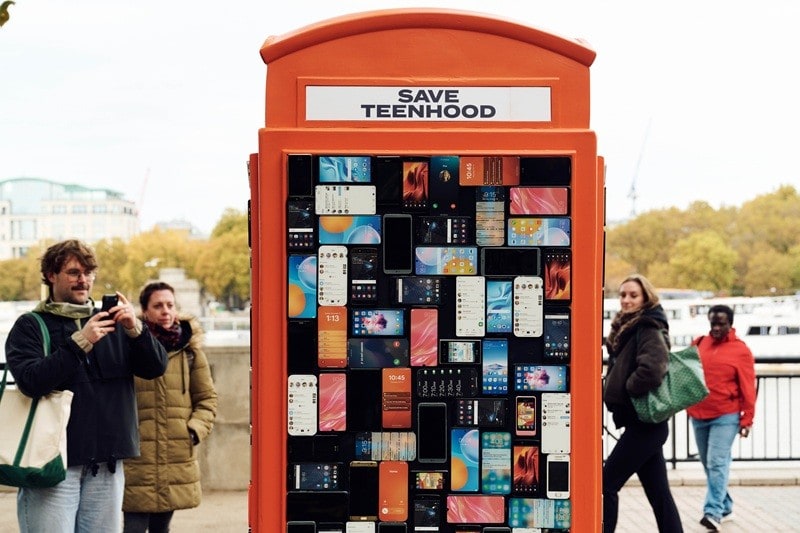
The survey marks the launch of Save Teenhood, The Children’s Society’s campaign to protect teenhood and expand drop-in services where teenagers can spend time and talk to a trained professional without an appointment.
The Children’s Society is warning that too many teenagers are missing out on the freedom, friendships and support that should be part of growing up.
Mark Russell, Chief Executive of The Children’s Society, said:
“It is far too hard to be a teenager in Britain today, and these findings really challenge some of our assumptions about teenage life.
“Young people are telling us they can have people around them who care and still feel lonely or isolated. Too many teens are dealing with pressure and worries on their own, without somewhere they feel they belong or someone they feel able to talk to.
“Teenagers tell us they need a safe place they can go without an appointment or referral, someone they trust and expert help when they need it.
“Through Save Teenhood, we will campaign alongside young people for change and we will push for more drop-in services where teenagers can find support. Young people have told us what is missing, we believe Britain's teens deserve a new deal – it's time to Save Teenhood.”