Around 400 CAZ enforcement cameras and more than 1,000 signs were installed around the region as part of previous plans to charge drivers of high-polluting vehicles up to £60 a day to use Greater Manchester’s roads.
But there was backlash to the Clean Air Zone charging scheme and the proposal was shelved in favour of a clean air plan instead.
It meant starting to take down around 1,300 signs at a cost of £600,000, but the cameras stayed.
Greater Manchester Police (GMP) has now taken over the cameras and is already making use of the automatic number plate recognition technology to fight crime.
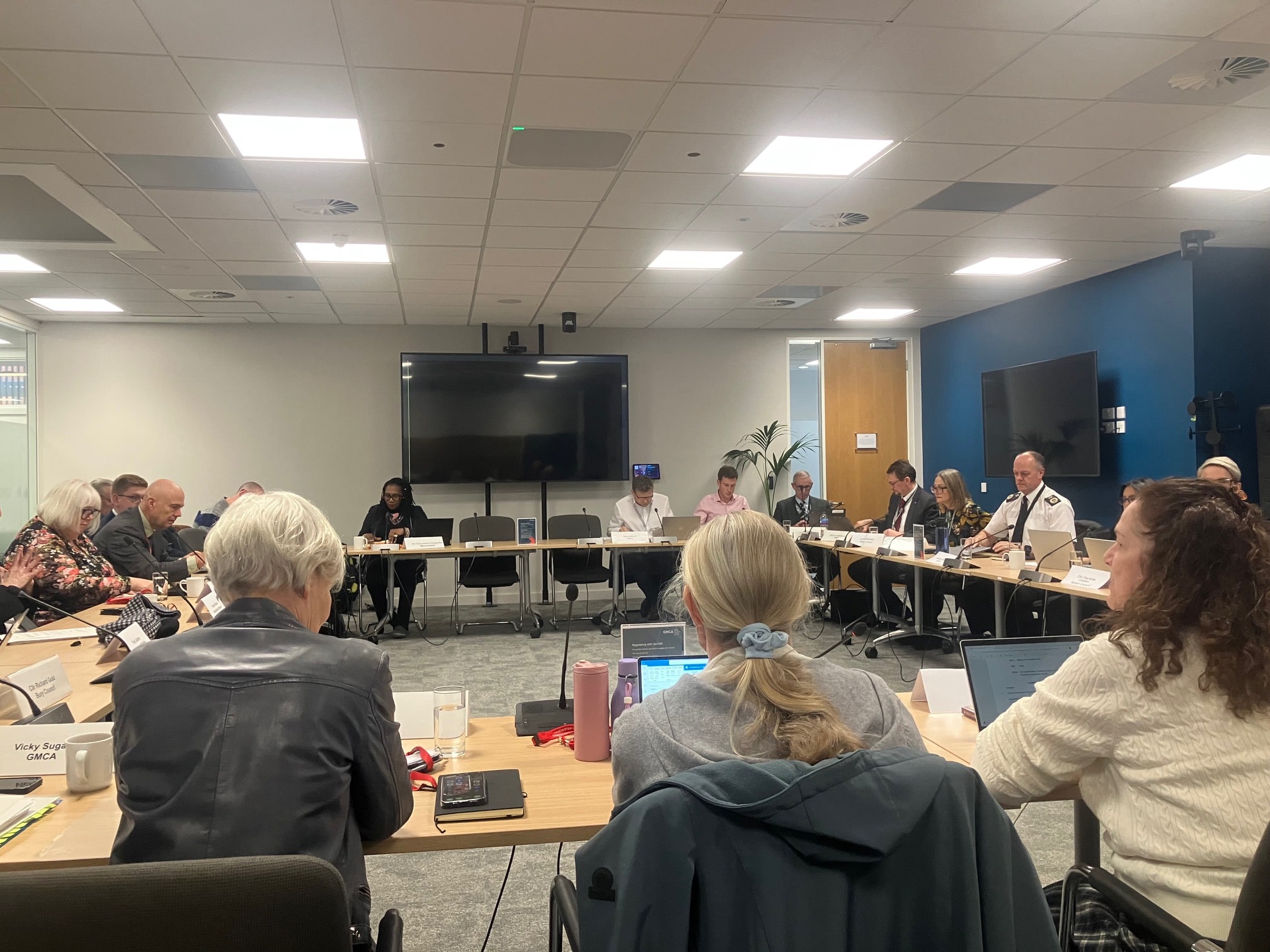
Speaking at Greater Manchester’s police, fire and crime panel on Monday (November 16), deputy mayor Kate Green said: “They are not speed cameras, they are being used for crime detection and as an investigative tool.
“That enables the police if they know of a vehicle known to be associated with a crime, they can find out who the owner is and pursue an investigation.”
Deputy chief constable Terry Woods from GMP said the cameras are already making a big difference.
He added: “I cannot say strongly enough just what a difference that is making.
“It’s been tangible, multiple arrests on the back of that system and it’s keeping people safe.”
A six-week public consultation was launched last year about the idea of giving the cameras to GMP.
According to a Greater Manchester Combined Authority report, 89.7 per cent of respondents agreed with the plan to change the main use of the Clean Air Zone ANPR cameras to law enforcement.
The report stated: ‘On 29 January 2026, the GM Clean Air Administration Committee made the decision for GMP to proceed with taking on the ownership of the Clean Air funded ANPR cameras and integrate them into their existing ANPR network.
‘Final technical and financial work has taken place to finalise this.
‘This work is now operational; GMP have taken ownership of the Clean Air funded ANPR cameras and they have been integrated into the existing ANPR network.
‘The cameras are online, therefore all work to bring them onstream is complete.’