

UK blood services are urging the public to book and fill appointments over coming days and weeks, to help boost life-saving supplies. Services are warning of the risk of potential shortages this winter if stocks can’t be boosted.
In England alone, NHS Blood and Transplant says that an extra 10,000 O negative (the universal blood type used in emergencies), 2,400 B negative (found in just two per cent of the population) and 16,000 O positive donors (the most common and most used type) are needed to come forward to help meet anticipated demand.
As the country moves into winter, higher levels of coughs, colds and respiratory illnesses, impact the number of donations collected, because people cannot donate if they are unwell, and also lead to patients with long term conditions such as sickle cell and cancer, needing extra blood or platelet transfusions to stay well. Two thirds of all blood collected is used to treat patients with long term conditions and reliant regular transfusions.
Plasma donors are also needed to come forward to help boost supplies of vital life-saving medicines which patients with a wide range of serious immune conditions dependent upon to stay healthy all year round, and especially in the colder winter period. These medicines are made from plasma – which makes up 55 per cent of our blood - both collected directly and from whole blood donations across the country.
Donations of all blood products can drop over busy periods, and currently stocks of certain blood groups are only around half of what the NHS aims for – including around 2-3 days of O negative, less than half the usual six days target.
This year, the NHS has seen a continued rise in the number of sickle cell patients needing regular transfusions and emergency treatment. Extended periods of warm weather, followed by fluctuations between warmer and cooler temperatures, can trigger complications for people with sickle cell disorder and increase the need for blood transfusions. This has led to rising demand for Ro blood, which is most commonly found in donors of Black heritage. When sufficient Ro blood is not available, O negative or B negative blood has to be used instead, placing additional pressure on these stocks.
UK blood services are urgently calling on donors who are eligible to donate to come forward and make an appointment to donate if they don’t already have one. People keen to start donating are also encouraged to take that first step and book in for their first donation.
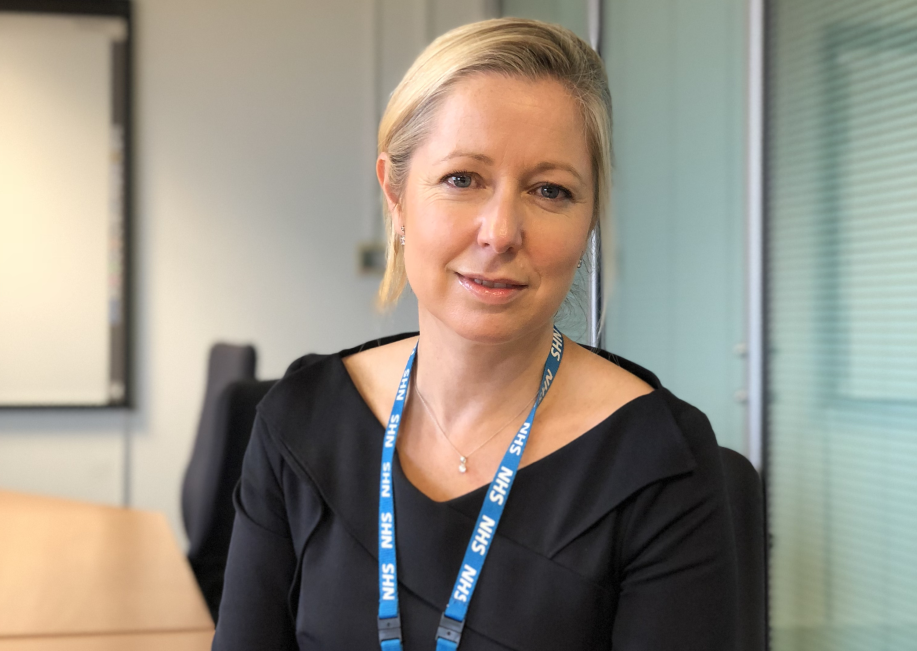
Gerry Gogarty, Director of Blood and Plasma Supply at NHS Blood and Transplant, says:
“Right now, as we move into winter, there is an urgent need to boost our life-saving blood, platelet and plasma supplies. With patients reliant on regular transfusions, particularly vulnerable to colds and respiratory illnesses, it is vital that we stay well stocked, to ensure the blood is always there when it is needed.
“If you are able to donate, please book an appointment to ensure we have enough blood over the busy time ahead. If you can’t find an appointment straight away, please book in whenever you can find an available slot or keep checking back to help fill last minute availability or cancellations. Our town and city centre donor centres currently have widespread availability. Every donation has the power to save up to three lives.”
It might take longer for some new donors to find an available appointment as some slots are prioritised for donors known to have most needed blood types – however, all donors are urged to book in when they can as donations are always needed. Larger donor centres in town and city centres tend to have the best availability, especially for anyone who hasn’t donated before or with more common blood types.
Blood services have also issued a plea to businesses to also lend support by allowing employees to take time out of the working day or during their breaks to go and give blood. Many donor sessions have higher availability during the daytime. Research by NHS Blood and Transplant, found that 43 per cent of donors would be more likely to give blood if given time off by their employer, rising to 65 per cent for those aged between 25 to 44.
Hospitals across the country need over 5,000 blood donations every day to ensure they have the blood they need to treat patients for wide variety of reasons – from traumatic injuries or accidents, cancer treatments, sickle cell and childbirth. However, blood has a shelf life of 35 days, and platelets only seven days, so it is vital stocks are constantly replenished.
Across the country there are still thousands of appointments available to fill, with greatest availability at donor centres situated in major towns and cities.
Giving blood takes just an hour and each donation can save up to three lives. Book a blood donation appointment today.
England: www.blood.co.uk or call 0300 123 23 23
Scotland: www.scotblood.co.uk
Wales: www.welsh-blood.co.uk
Northern Ireland: www.nibts.org