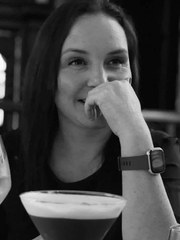
An Oldham veterinary nurse is urging local pet owners to speak up for frightened animals before the Government’s fireworks consultation closes today.
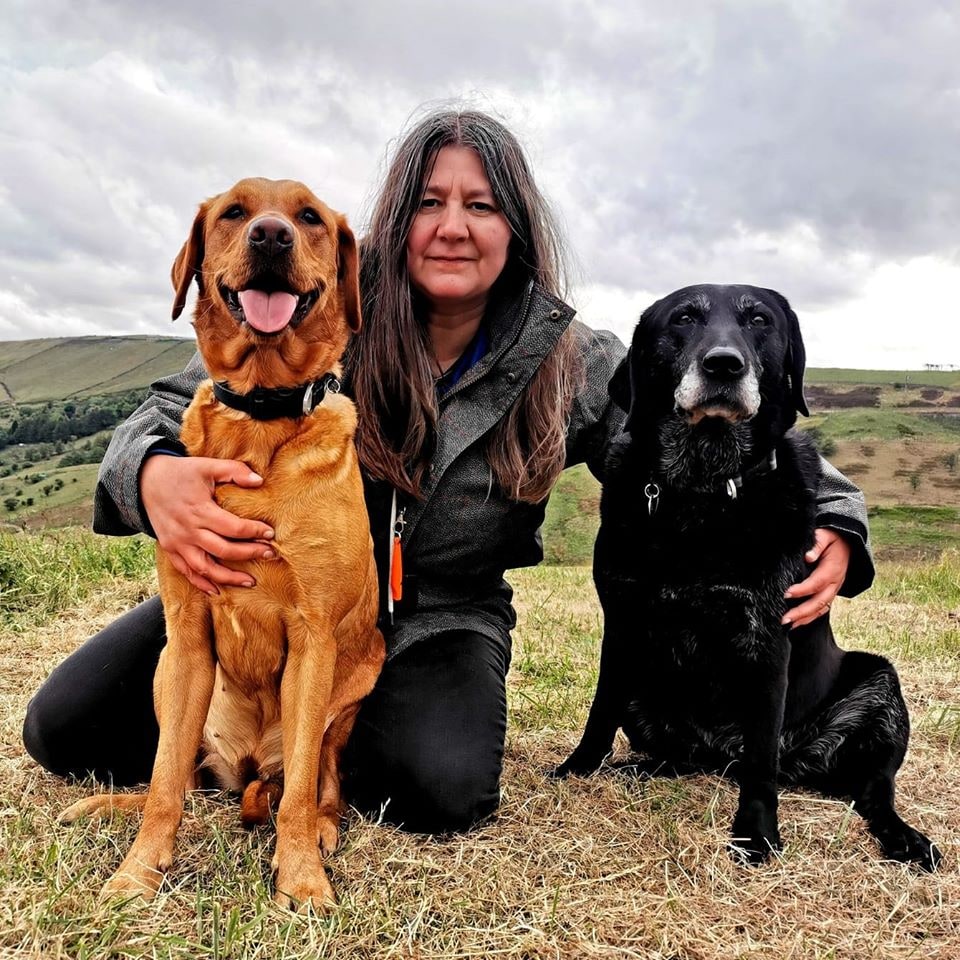
Rachel Bean, a qualified registered veterinary nurse and the UK’s leading canine first aider, is encouraging families to share their experiences before the deadline on Wednesday, 7 October.
The consultation proposes reducing the maximum noise level of fireworks available to the public, with louder products reserved for professional users. Respondents can choose between retaining the current 120-decibel limit or lowering it to 110, 100 or 90 decibels.
Rachel, who lives in Oldham and teaches canine first aid across the UK and internationally, believes local owners’ experiences could help shape stronger protections.
She said: “I would urge pet owners across Oldham to take this opportunity to speak up for their animals. If you have spent an evening comforting a shaking dog or worrying about a frightened cat, your experience deserves to be heard.
“A terrified dog may try desperately to escape, and that can put them in danger. We should be doing everything we can to prevent animals reaching that level of panic.
“Owners can prepare their homes and seek professional support, but they cannot control an unexpected explosion outside their window. I support changes that reduce the impact of fireworks and make our communities safer and kinder.”
Rachel works with Manchester Dogs’ Home alongside teaching the Ofqual-regulated canine first aid qualification she wrote.
She is encouraging owners to explain how fireworks affect their pets and the steps they take to help them feel safe.
Rachel added: “Please do not assume someone else will respond. The Government needs to understand what this means for ordinary families and their pets.
“A firework lasts a few seconds, but the fear it causes can last much longer. Sharing what happens in your own home could help decision-makers understand why change matters.”
The Government is also seeking views on restricting additional pyrotechnic products considered to carry unacceptable risks and reviewing controls on lower-risk items. It wants to preserve celebrations while reducing harm and distress.
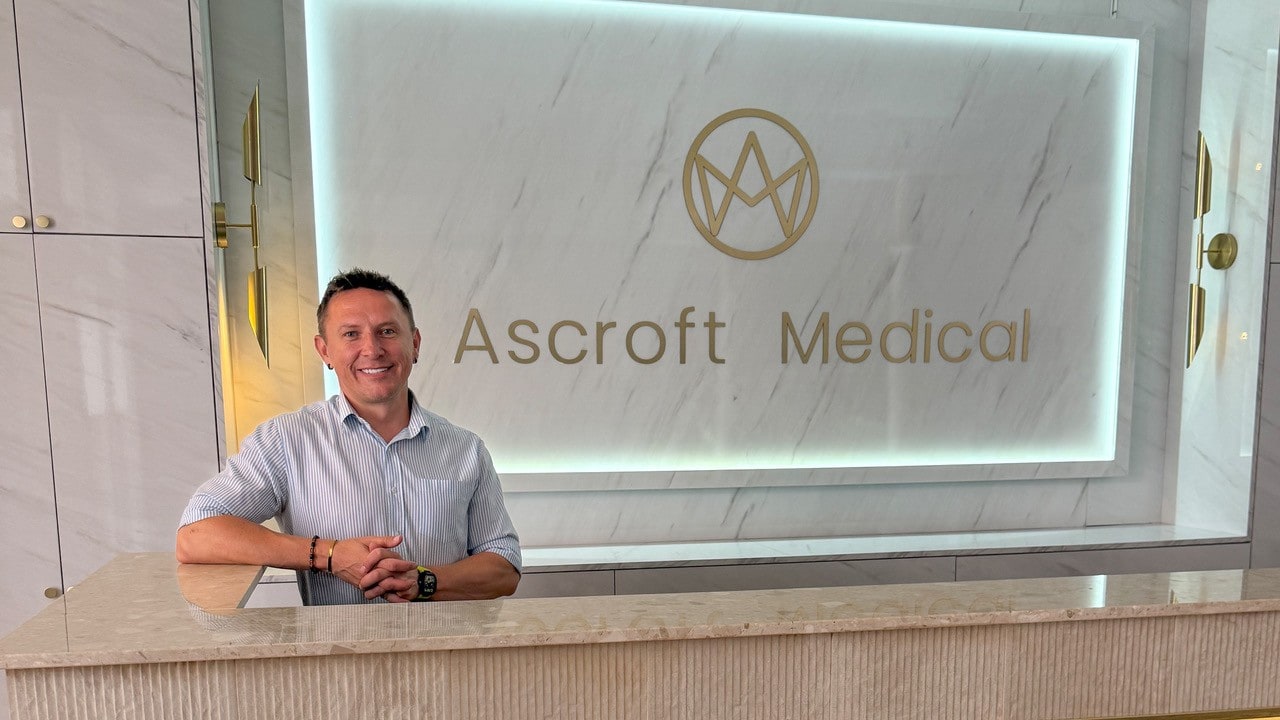
Andrew Hale, emotional wellbeing expert at Pet Remedy, also supports reducing the impact on animals.
He said: “For an animal who is frightened of fireworks, the experience can be overwhelming. They cannot understand why the explosions are happening, how long they will last or whether they are safe.
“At Pet Remedy, we encourage owners to support their animals’ emotional wellbeing, but families also need help from the wider community. Reducing the noise of fireworks would be a welcome step towards more considerate celebrations.”
Katie Gwilt, cat expert and owner of holistic cat care business The Kat Lady, urged owners to remember that feline distress can be less obvious.
She said: “Cats often respond to fear by hiding, so their suffering can be easy to overlook. A cat tucked behind a sofa or refusing to come out from under a bed may be feeling deeply unsafe.
“Please use this opportunity to speak up for your cat. Explain what you notice, how their behaviour changes and what you have to do to help them through it.”
Debbie Potter, of Potter Paws, added: “We support changes that would reduce the noise of fireworks and help protect dogs from unnecessary fear.
“Preparation and support matter, but reducing the source of that fear matters too. This is an opportunity to help shape more considerate celebrations that take animal wellbeing seriously.”
The proposals remain subject to consultation and Parliamentary approval. The Department for Business and Trade will consider responses before publishing its proposed actions.
Pet owners can have their say before the consultation closes on Wednesday, 7 October, at:
https://ditresearch.eu.qualtrics.com/jfe/form/SV_eg0jcixPsRnv1NY
Oldham veterinary nurse urges pet owners to speak up before fireworks consultation closes