
Property barrister Jeffrey Zitron says repair obligations and requirements for homes to remain fit for human habitation are central to many housing disrepair cases.
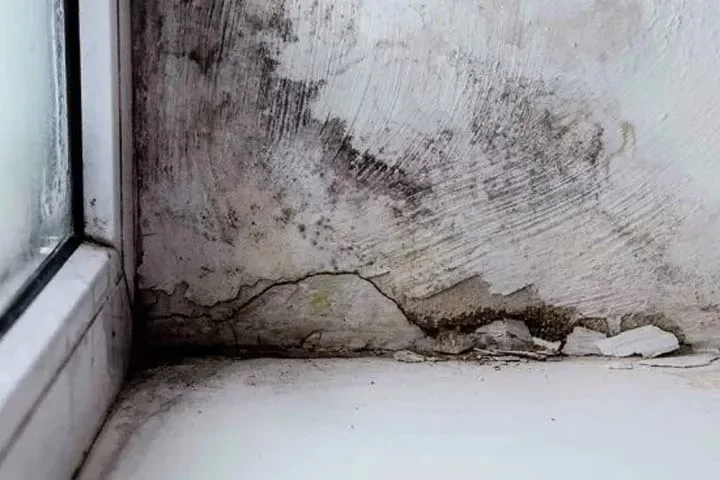
Mr Zitron, of The Barrister Group Chambers, said damp and mould was the biggest source of disrepair claims handled by its housing team.
He said many cases involve Section 11 of the Landlord and Tenant Act 1985, which requires landlords to keep parts of a property including its structure, exterior and installations for water, gas, electricity, drainage and heating in repair.
Problems such as leaking roofs, failed damp-proof courses and damaged render can fall within those obligations.
Mr Zitron said Sections 9A and 9B of the Act also require homes covered by the provisions to be fit for human habitation during a tenancy.
He said this could apply to damp caused by condensation even where there was no single structural defect.
Mr Zitron said: “This is about landlords understanding what hazards they must identify and the statutory timescales within which social landlords must act.
“They need to ensure that hazards are diagnosed accurately and that the response reflects the severity. Inspections need to be properly recorded and additional investigations commissioned if the root cause is unclear.”
The barrister said landlords should not assume activities such as drying washing indoors, keeping windows closed or heating choices were responsible for mould without evidence.
He said a landlord seeking to argue that disrepair was caused wholly or mainly by a tenant would need evidence supporting that position.
That could include inspection records covering ventilation, heating, insulation and possible water penetration.
Mr Zitron also warned that repeatedly washing mould from a property without identifying its cause could leave the underlying problem unresolved.
He said records of inspections, repairs and repeat complaints could become important evidence if a dispute resulted in a legal claim.
Mr Zitron said: “Always remember what this is about: Keeping homes fit for human habitation.
“A landlord and tenant who become embroiled in a disrepair case which turns into a claim are heading into a time-consuming and expensive tunnel. Being awarded damages may be fair recompense to a tenant, but most just want their home to be safe, warm and comfortable.
“So, a landlord who responds promptly and effectively, whether to a Letter of Claim under the Housing Conditions Protocol or through an internal complaints process, saves themselves and their tenant grief and money.”
He also said the range of hazards covered by statutory requirements affecting landlords was due to expand further in November 2026.