
Transport for Greater Manchester confirmed regular Sunday trains are gradually due to return across the region, after two years of industrial action by RMT saw the slashing of 230 services across the network. The first 44 journeys were re-introduced on November 22 across Wigan, Bolton, Rochdale, and Hazel Grove.
Further routes will be added between Clitheroe and Blackburn, bringing the total number up to 70 additional services by the end of December. The service is due to return ‘in phases’ and return to normal by May.
Simon Elliott, TfGM’s Network Director for Rail, said: “We’ve received the very positive news that the RMT union and Northern resolved the long-standing dispute on Sunday services, which means conductors now have agreed to change their terms of conditions to fold Sundays into the full working week, which for us means it will be a truly seven-day-a-week railway.”
The change will come as a relief to residents and tourists alike, as Manchester expects around 3.4 million additional visitors to the city’s Christmas markets in the coming weeks.
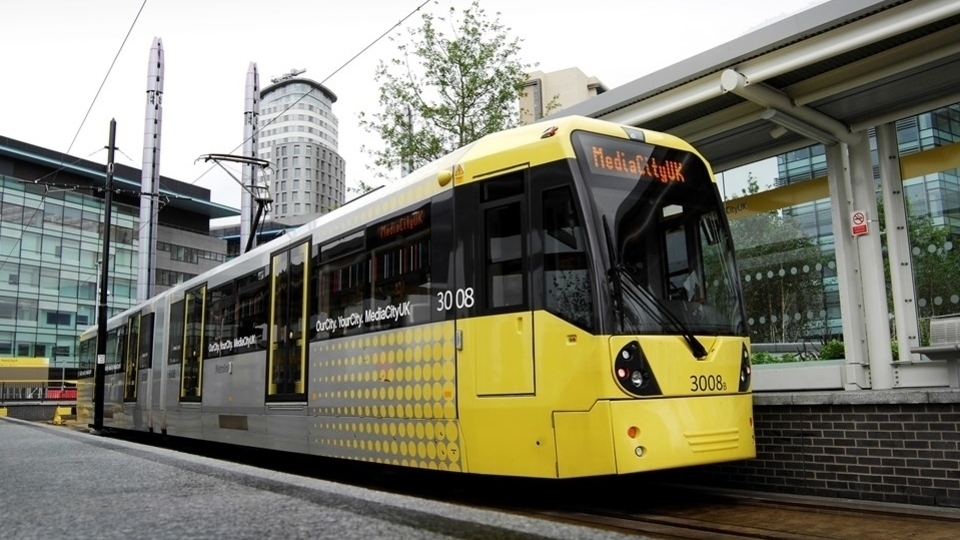
The confirmation came at a Bee Network committee meeting at the GMCA’s Tootal Building on Thursday, November 26, where members acknowledged several major projects currently in the pipeline for Greater Manchester. This included initial steps for the Northern Powerhouse Rail, which could see a Metrolink stop at Picadilly Station relocated to make way for an underground service towards Manchester Airport.
Councillors also hoped it would ‘leave space open to continue the northern stretch of HS2’.
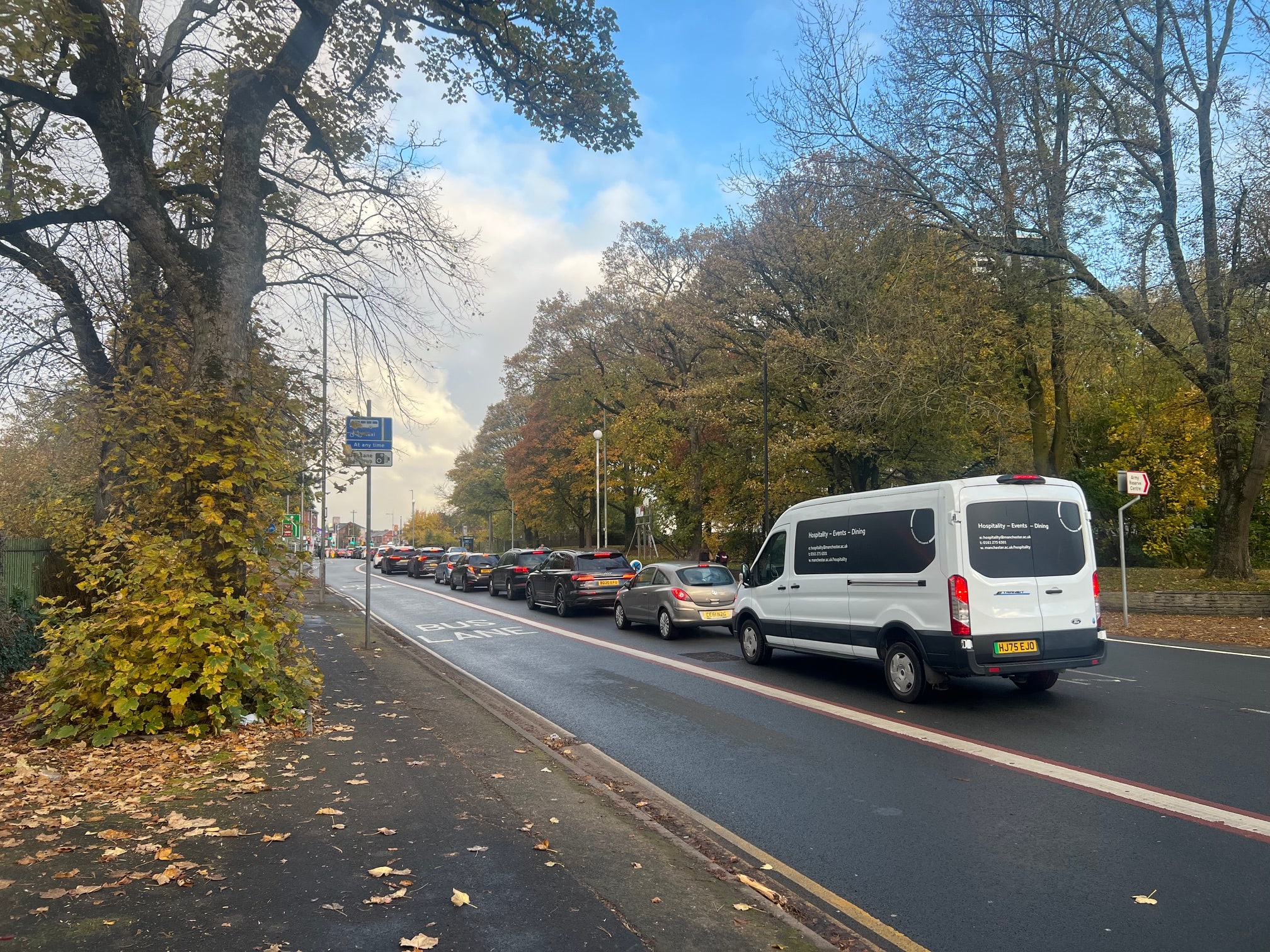
Meanwhile, the city-region faced a ‘torrid’ month for its bus services. A burst watermain at Portland Street resulted in ‘major delays’ across the service earlier this month. Alongside issues with congestion and construction works, this brought average reliability of the service down to 77 per cent.
Transport bosses revealed they are trialing a novel new technology to help alleviate delays by prioritising buses and improving traffic flow at junctions.
Danny Vaughan, TfGM’s Chief Network Officer, said: “We are looking at next generation traffic signals using AI. We’re not going to be able to put that many new bus lanes in across Greater Manchester, so we do need to start looking at technology to make [congestion and delays] better.”
The ‘FUSION’ adaptive traffic signal technology is bein piloted at 40 locations across Greater Manchester, and promises to improve traffic efficiency by 25 per cent.
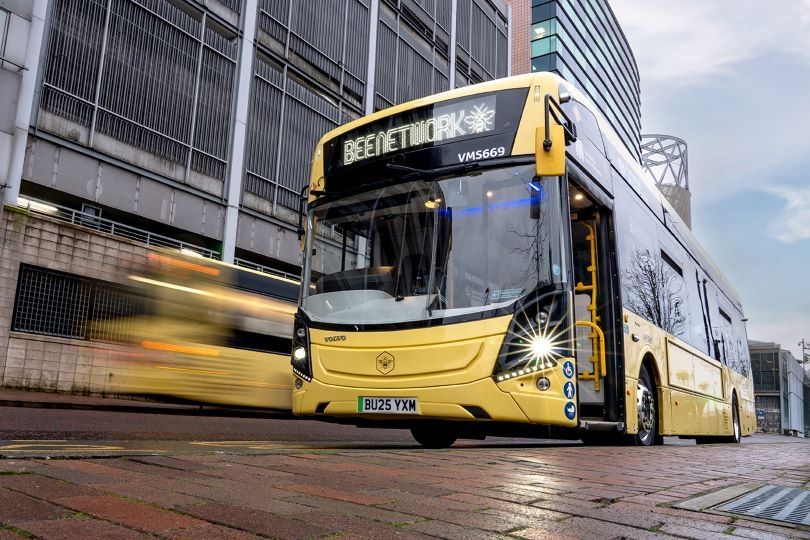
The changes come alongside a ramping up of the electrification of Greater Manchester’s buses. A total of 584 zero-emission buses are now in service on the roads across Greater Manchester, it was revealed.
That’s 549 more than were operating before buses were brought back under public control. Pre franchising, which came into force in September, 2023, just 35 all-electric buses were in operation in the city region.
In a report presented to the committee, Mr Vaughan, said a total of 99 services were now operated entirely by electric buses.
Out of all Greater Manchester’s buses, just over a third are now electric, with that figure set to increase as more than 100 more are due to launch on the roads before the end of the year.
Mr Vaughan said: “584 zero-emission buses are now in operation, representing 33.6 per cent of the Bee Network fleet.
“This compares with around 35 electric buses operating before franchising began in September 2023. A total of 99 services are now operated entirely by electric buses.
“A further 163 electric buses are due to enter service before the end of 2026, keeping the Bee Network on track for a fully electric bus
fleet by 2030 and supporting an estimated reduction of more than 76,000 tonnes of carbon dioxide each year.”